
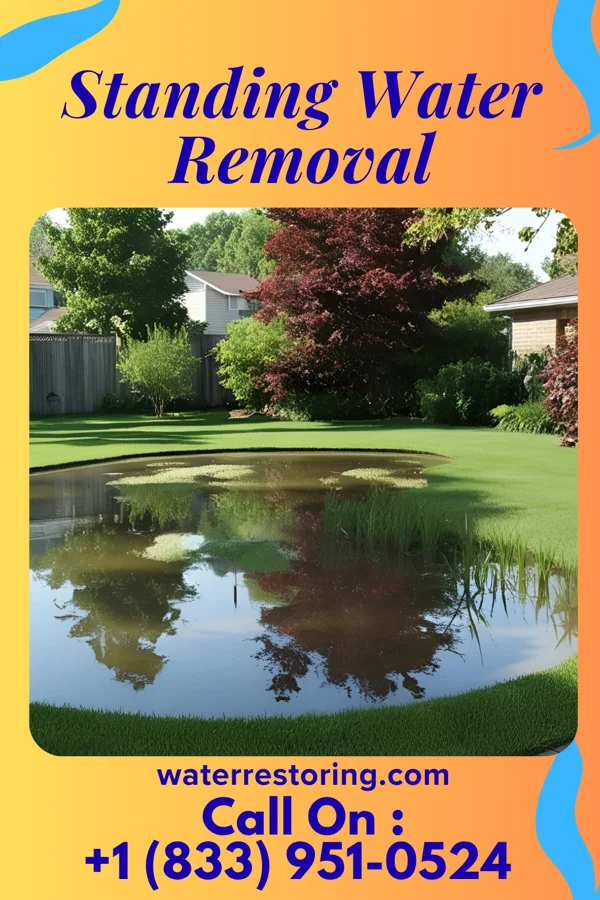
Standing Water & Insurance in Little Falls
In Little Falls, Minnesota, water damage is most commonly caused by plumbing leaks, particularly from aging infrastructure and burst pipes in older homes. Heavy rainfall and snowmelt can also lead to basement flooding, especially during spring thaw periods. is the trigger behind most standing water removal claims in Little Falls. A close second is Secondary causes include roof leaks from damaged shingles, improper drainage around properties, and water intrusion from nearby rivers or lakes. Sump pump failures are also a growing concern in the area.. Most homeowner insurance policies cover sudden, accidental water damage. What separates a clean claim from a stuck one is fast professional response with documentation an adjuster can actually use.
Little Falls experiences a continental climate with cold winters and warm summers, which can lead to frozen pipes and thaw-related flooding. The region's proximity to the Mississippi River also increases the risk of water intrusion during heavy storms.
Most standing water removal calls in Little Falls come from In Little Falls, Minnesota, water damage is most commonly caused by plumbing leaks, particularly from aging infrastructure and burst pipes in older homes. Heavy rainfall and snowmelt can also lead to basement flooding, especially during spring thaw periods.. Running a close second is Secondary causes include roof leaks from damaged shingles, improper drainage around properties, and water intrusion from nearby rivers or lakes. Sump pump failures are also a growing concern in the area.. Local mold risk: Mold can develop quickly in the humid summers of Little Falls, especially in homes with poor ventilation. Prompt water damage restoration is critical to prevent mold growth and protect indoor air quality.